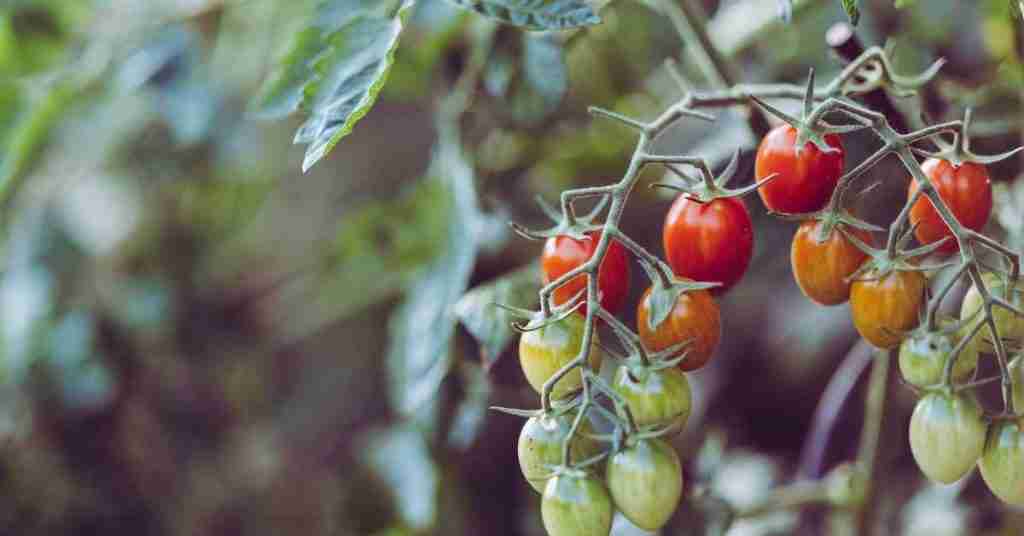
A guide to the great British institution that is the allotment. Covers the history of allotments in the UK from their medieval origins through to the wartime ‘Dig For Victory’ campaign, their postwar decline & recent resurgence around the UK.

Some time ago I decided that one of the things I really wanted to do was grow my own food. Partly because I love nature & the outdoors, but much more so because I was fed up of supermarket veg. I wanted seasonal veg that was grown locally, via organic seeds & without pesticides. I wanted harder to come by perennial vegetables like fresh horseradish & Jerusalem Artichokes. And I really didn’t care if some of it was a bit wonky.
In 2022, after literally years of allotment waiting lists & flats without a garden, I at last got my hands on an overgrown plot. It had been quite a wait. And call me a nerd, but it got me thinking about the history of allotments in the UK. My grandad had one & spent a bit ‘too’ much time there from what I gather. Francis Tophill has one. And who doesn’t want to emulate her veg gardening !
So allotments kind of felt like one of those great British institutions that deserved a bit of research. A bit like a horticultural ‘National Treasure’ if you like. How did the great British allotment come about? And what was it’s history?
The History of Allotments: Medieval Origins
The idea of allotments can be traced back to the early medieval open-field system, where villagers worked together to cultivate communal lands. Households were assigned strips of land, ensuring that everyone had access to essential resources. This system, though not formally recognised as ‘allotments’ as such, did lay the groundwork for shared agricultural practices.
After that, the enclosure movement, which began in the 16th century, marked a turning point. Landowners fenced off common lands, displacing many peasants and reducing their access to farming areas. This shift created a growing need for alternative means of subsistence, especially for the rural poor.
The Rise of Allotments in the 18th and 19th Centuries
The 18th century saw the first formal steps toward the creation of what we now call allotments, when landowners began allocating small plots of land to the poor. These plots, often located near villages, were intended to supplement diets and provide a means of survival for those affected by burgeoning industrialisation and urbanisation.
The Industrial Revolution of the 19th century further accelerated this demand for plots of land. As rural populations migrated to cities in search of work, urban poverty and overcrowding became real issues. In response, the General Enclosure Act of 1845 included provisions for allotments. This required landowners to set aside land for the poor. However, enforcement of this land provision was inconsistent and allotments remained a bit of a contentious issue.
The subsequent Allotments Act of 1887 was a significant milestone. It legally obliged local authorities to provide allotments if there was sufficient demand, marking the beginning of government involvement in allotment provision. This act was followed by the Allotments Act of 1908, which consolidated earlier laws and emphasised the importance of allotments for working-class families.
Allotments During the World Wars

The World Wars were pivotal periods for allotments in Britain, as they witnessed a huge increase in use. People were encouraged to grow their own food to counteract shortages and allotments started to became a patriotic duty, as vacant lands were converted into growing spaces.
‘Dig For Victory’
Then in 1939, following the outbreak of World War Two, British Ministry of Agriculture launched the famous ‘Dig for Victory’ campaign. Men and women across the country were mobilised into growing their own food & encouraged to become self sufficient to help counteract harsh rationing & lack of fresh food.
The government launched extensive campaigns to promote allotments, and by 1943, there were over 1.4 million plots in use. Slogans like “Grow Your Own” and educational programs helped galvanise the public, making allotments a cornerstone of the war effort. The spirit of community and resilience fostered during this time remains a defining feature of allotment culture.
Post-War Allotment Decline and Revival
The post-war period brought significant changes to the history of allotments in the UK. With the return of peacetime prosperity and the rise of supermarkets, the necessity of growing your own food diminished. Allotments gradually fell out of favour and many were, in fact, sold off for housing developments or other urban projects. By the 1970s, the number of allotments had dwindled significantly.
However, the late 20th century witnessed a new surge of interest in allotments, driven partly perhaps by environmental awareness and also a growing desire for organic, locally grown produce that hadn’t endured endless air miles & a potential cocktail of chemicals before it reached your table.
Allotments Today: People Take Back Control Of Their Veg!

Today, allotments are experiencing a bit of a renaissance.
This survey, from 2022, found a huge increase in demand for local plots. And this petition in Scotland is calling upon the government for an increase in allotment provision. I sense a further surge may have happened during COVID as well, as people started to get more in touch with the outdoors & nature again.
Urbanisation, climate change & an increasing concern about the quality of fruit & veg grown under intensive & mono-culture farming practices, has also, I think, renewed interest in allotment gardening.
So there’s still a definite push to grow & eat homegrown produce in a more seasonal way.
How To Get Your Own Allotment
If you want your own allotment, it’s not hard to do.
Depending on where you live, you may find allotment plots are immediately available via your local council, or at worst, after a small wait. Where I live, the waiting list is thankfully short (I waited a month). Sometimes plots are even available immediately.
However, as I discovered where I lived before (a city) the waiting lists for allotments can stretch for years. This is more often in urban areas, where people don’t have as much access to outdoor spaces or gardens, making competition for allotments high.
However, it’s always worth asking your local council or allotment association & if necessary jumping on a waiting list. Details about allotment availability are usually available on your local council website. If not, ring up and ask. Another option is to share a plot, if you can find someone willing.
Some local councils, charities, and community garden groups have also stepped up efforts to expand access to land recently & you can also rent privately owned allotments in some areas too.
If you do get an allotment, I’ve got a detailed post on how to clear an overgrown allotment you might find useful.
Social and Cultural Impact of Allotments

As I’ve discovered myself, allotments are more than just spaces for growing fruit & vegetables; they’re hubs of community and friendship (and sometimes even the odd disagreement!). They bring together people from different walks of life & ages, with most people willing to share expertise, seeds, tips & surplus veg.
My own family even has its own mini allotment history. It’s no secret my grandad spent a little ‘too’ much time down the allotment (according to my grandma, anyway), but a sneaky tea (or beer) down the shed, surrounded by nature & homegrown fruit & veg, is one of life’s true treats. It literally forces us to slow down. And today, my own allotment shed is filled with tools that my uncle & grandad used decades before me.
From Wellbeing to Increased Biodiversity

Allotments are increasingly playing a vital role in promoting mental health and well-being too. Community gardens & allotment groups offer opportunities for people to get involved in gardening, be close to nature and achieve tangible results that are both rewarding and therapeutic. This can only be a good thing in the face of so much technology & social media.
The history of allotments in the UK also have a long history in contributing to biodiversity and environmental sustainability. By providing habitats for pollinators, birds & other wildlife, they support local ecosystems, something increasingly eroded by modern farming practices, modern living & our obsession with pesticides and controlling nature.
How many bees, hedgehogs, or Red Admiral butterflies do you see today, compared with 30 years ago? I suspect, not many. Plant an allotment with a range of pollinator friendly fruit, flowers & veg & I guarantee you will see a difference.
The Future of Allotments in the UK
Despite their many benefits & popularity, allotments nevertheless face challenges today. Urban development pressures continue to threaten existing sites & councils don’t always want to focus too much time or expense on the provision, management & upkeep of local allotments.
However, Section 23 of the Small Holdings and Allotments Act 1908 still stands today and it stipulates that if a council believes there’s a demand for allotments, they have a statutory duty to provide a sufficient number of plots.
So if you don’t have sufficient in your area and you know there’s a demand, it’s worth approaching your local council.
A History of Allotments in the UK: Conclusion
The history of British allotments is a testament to the enduring human need for connection—to the land, to food, and to each other. From their medieval origins to their wartime significance and modern revival, allotments have continually adapted to the changing needs of society.
And as today’s world continues to face new challenges, from urbanisation to climate change, the principles of sustainability and community embodied by allotments are, perhaps, more relevant than ever.